19.10.08

Planners Network Boston Chapter


Planners Network, originally uploaded by siqi.zhu.

This semester, a group of MUPs at Harvard have been working on founding a Boston Chapter of the Planners Network. The Planners network "is an association of professionals, activists, academics, and students involved in physical, social, economic, and environmental planning in urban and rural areas, who promote fundamental change in our political and economic systems."

We will be having an INITIAL MEETING on OCT 25th at Ravneet Grewal's house, 47 Meacham Rd, Somerville (right near the Davis Square T stop) from 3 TO 5 PM to found the Boston chapter and to talk about the sort of events and community involvement that we'd like to have.

Some major beliefs of the Planners Network: "We believe that planning should be a tool for allocating resources and developing the environment to eliminate the great inequalities of wealth and power in our society, rather than to maintain and justify the status quo. We are committed to opposing racial, economic, and environmental injustice and discrimination by gender and sexual orientation. We believe that planning should be used to assure adequate food, clothing, housing, medical care, jobs, safe working conditions, and a healthful environment. We advocate public responsibility for meeting these needs, because the private market has proven incapable of doing so."

Or, in summary, we're a group of people who believe that planning can be a primary tool in defending human rights.

We've been in touch with a lot of people around Boston who are interested in joining with us: students and professors from MIT, Harvard, BU, Tufts and UMass, as well as activists and practitioners, so this will be a great chance to meet and work with other planners from around Boston.

Check out the website and and the "disorientation guide" and please think about coming to the meeting and being involved.

Zakcq Lockrem
MUP Candidate | Harvard Graduate School of Design
Teachers Assistant | Boston University Department of Applied Social Science

Read more...

17.10.08

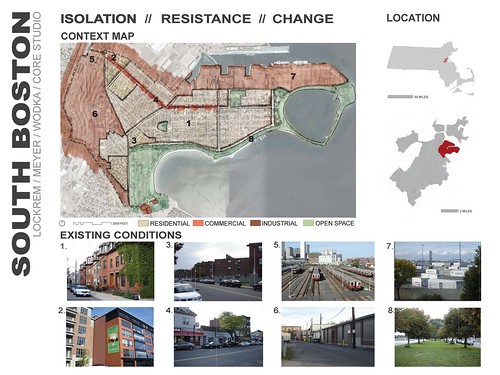
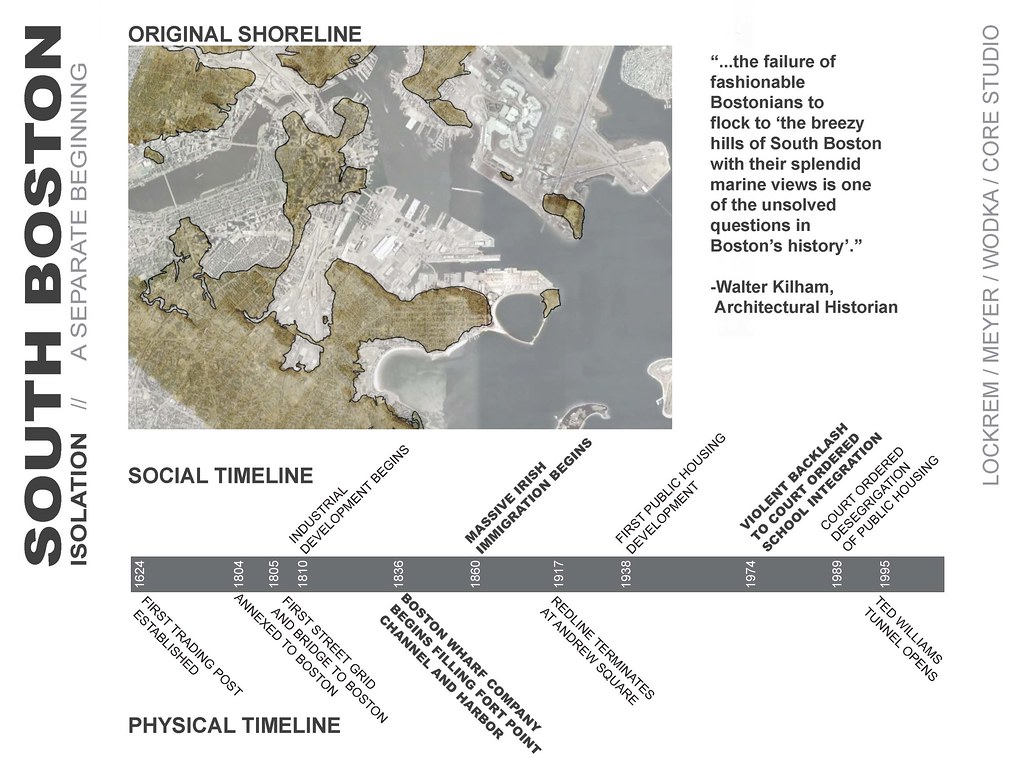
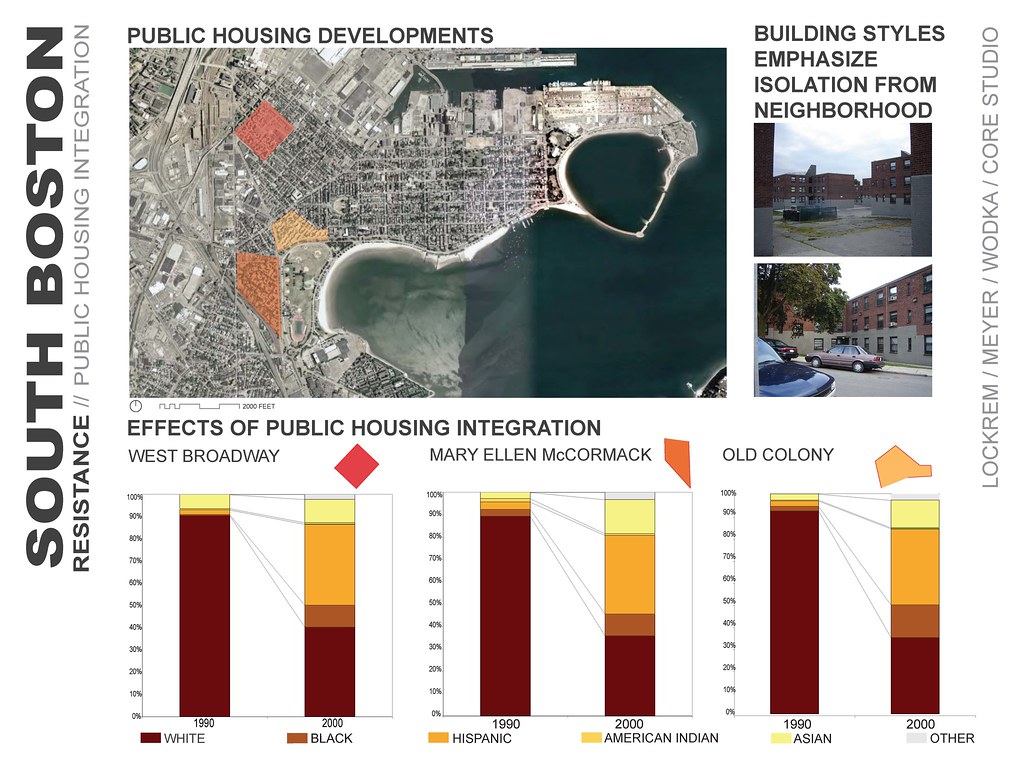
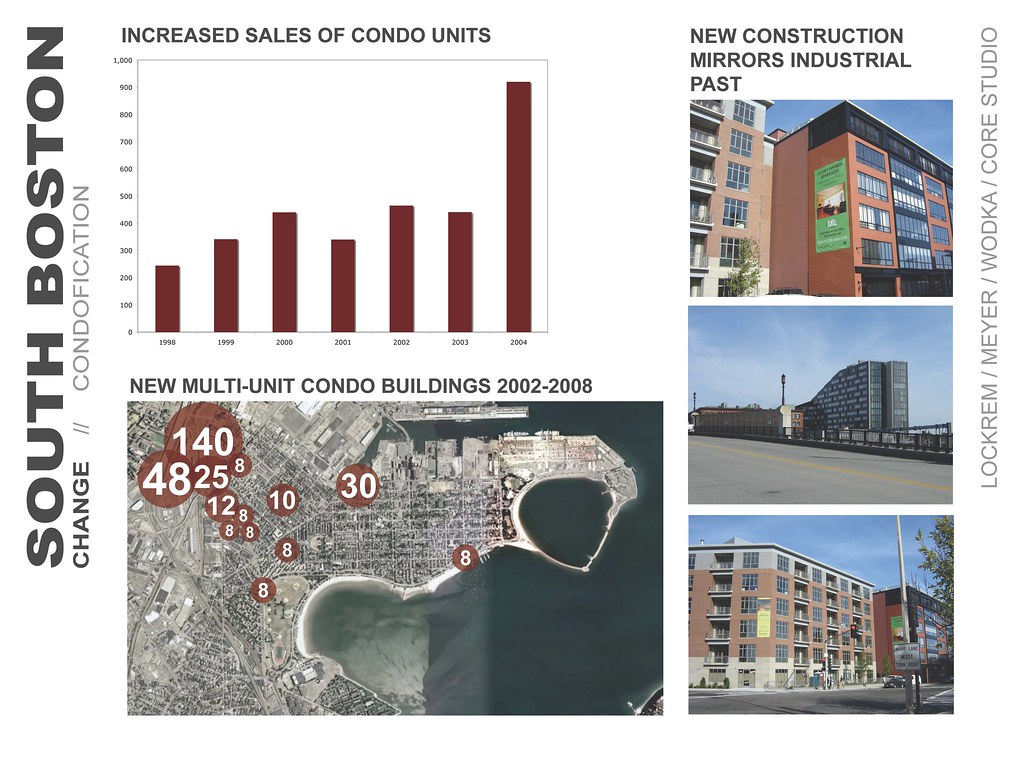
A few samples of work from our second assignment, which we just finished up:

Southie_Context

Southie_Hist

Southie_PublicHousing

Southie_Condo

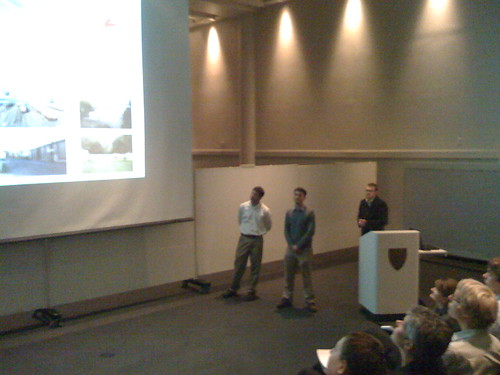
And, as is featured here in my friend Siqi's iPod photo, due to a last minute room mixup, we ended up presenting in Piper Auditorium, which is the main hall at the GSD. Fancy Harvard lectern and all.


More Southie, originally uploaded by siqi.zhu.


My Flickr site has the rest of the presentation and Siqi's has more photos from the presentation as well as his team's boards (he's an amazing graphic designer).

Read more...

10.10.08

I’ve finally got some time for an update, so I think I’ll spend it explaining life at Harvard, so that I can just jump into what I’m working on in the future. I’d say I’ve settled in pretty well to life at the GSD. I’m spending about 50-60 hours a week there, but compared to my previous life of working 40 hours a week at Borders and then being at BU for 9 hours a week with all the travel time in between, it doesn’t seem all that bad.

Life at the GSD revolves around our studios. We take 8 credits of studio per semester and 12-16 credits of coursework, but studio definitely takes up more then half of our workload. For the first two semesters, we (by which I mean all the first year planners) are in the same studio, and then in the second year we get to select our studios based on the kind of project that they are doing. Second years this year, for example, are doing things in Newark, the Netherlands, Las Vegas, Mumbai, ect. This semester, my studio is working on the South Boston Waterfront, which is a mostly undeveloped ex-industrial site just east of downtown Boston. It the moment we’re just doing preliminary work, and I’m excited to get started on the actual stuff, however so far I have gotten to use a lot of new skills, especially in mapmaking as well as getting much better with Illustrator and Photoshop.

South Boston Waterfront

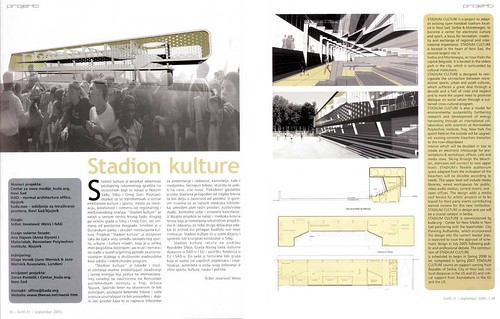
My courses this semester are mostly pretty basic: Market Theory and Methods of Planning. On top of that I have one research seminar titled “Balkanization: From Metaphor of War to Shaping of Cities” with an architect named Srdjan Jovanovic Weiss (one of his projects is below). I’m just beginning my research, but I think I’m going to be looking at Balkanization as a metaphor in Canadian media discourse and how that relates to territorial differentiation at national and urban scales. I’m sure I’ll be writing more about it as I start getting into it more.

dans200510

Outside of school (outside being relative, everything in my life seems to be interrelated at this point) I’m also teaching a module of an Urban Design class at BU, which is going well. Right now we’re considering what design interventions would go into making a streetscape more “livable.” I’ve also beginning working on a project with a friend of mine from BU dealing with a prototype design for a sustainable (environmentally, economically, socially) street for Mexico City. If things go well, I’m hoping to spend a few weeks down there over the holiday break doing some site visits. Lastly, several others and myself have been working toward founding a Boston chapter of Planners Network, which is a group for planners who are interested in seeing planning activities primarily from a human rights perspective. If anyone out there is from Boston (or for that matter from anywhere else) and would like to be involved, please drop me a message. It seems like a great organization, and a lot of people that I really respect are involved (Peter Marcuse, Robert Beauregard, Keith Pezzoli, Faranak Miraftab, Kanishska Goonewardena, ect). I’m sure I’ll be writing more about that in the near future as well.


ps. I've added links for a Planners Network as well as for my friend Siqi from the GSD, who's a great writer and designer (but unfortunately doesn't post often) and for my friend Ben's girlfriend Mellisa who we met in Chicago this summer and writes both well and often and... added bonus... happens to have studied anthropology of food at University of Chicago, which means her posts are full of yummyness... mmmmm.

Read more...

3.10.08

GSD Photo Blog

I've been meaning to write a little more for awhile, but have gotten pretty busy. In the meantime, here's a quick photo tour of my new life at the GSD.

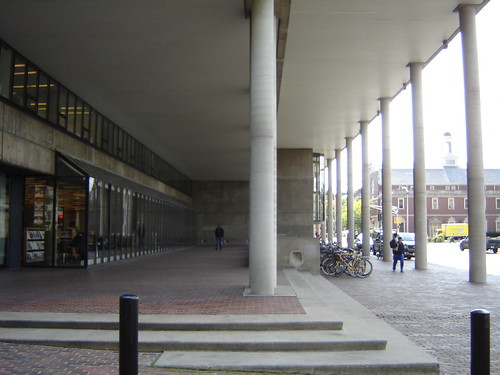
We live in Gund Hall, a wonderful brutalist building:
GSD

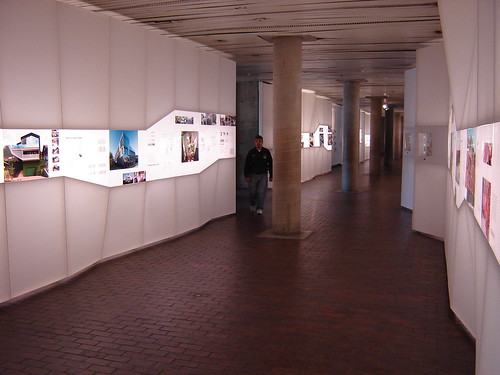
This is our exhibition space. What's up rotates. In the picture it's new projects by architects from Croatia and Slovenia. Around graduation time, we all get to display:
GSD

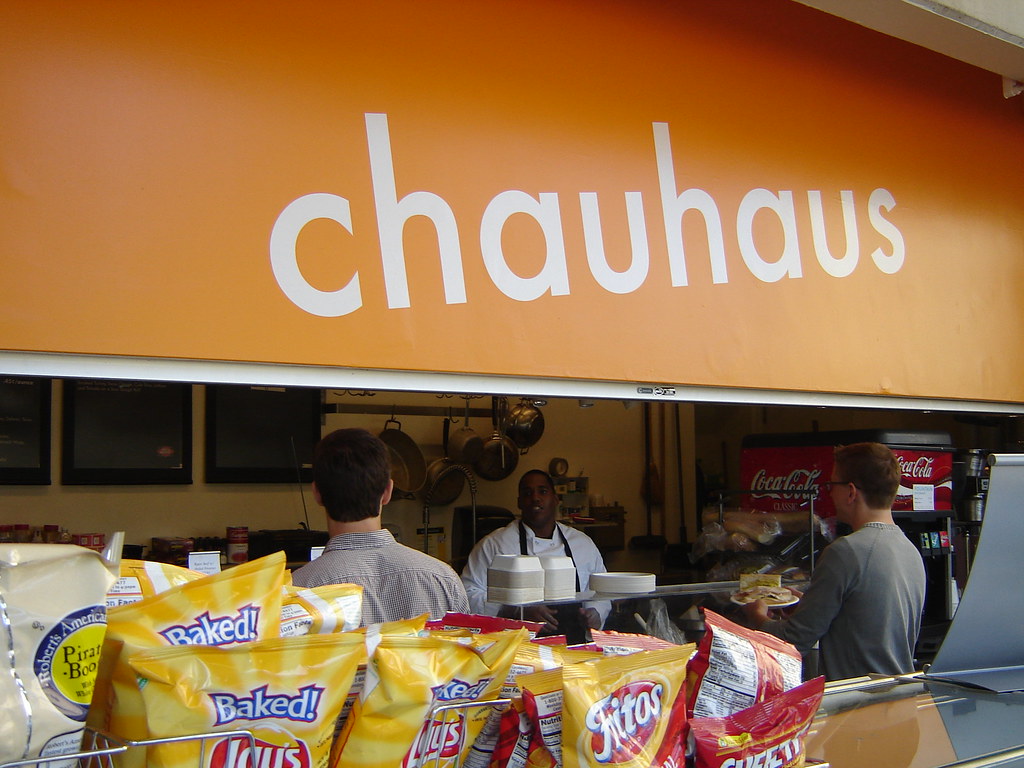
Pun Lovers Rejoice:
GSD

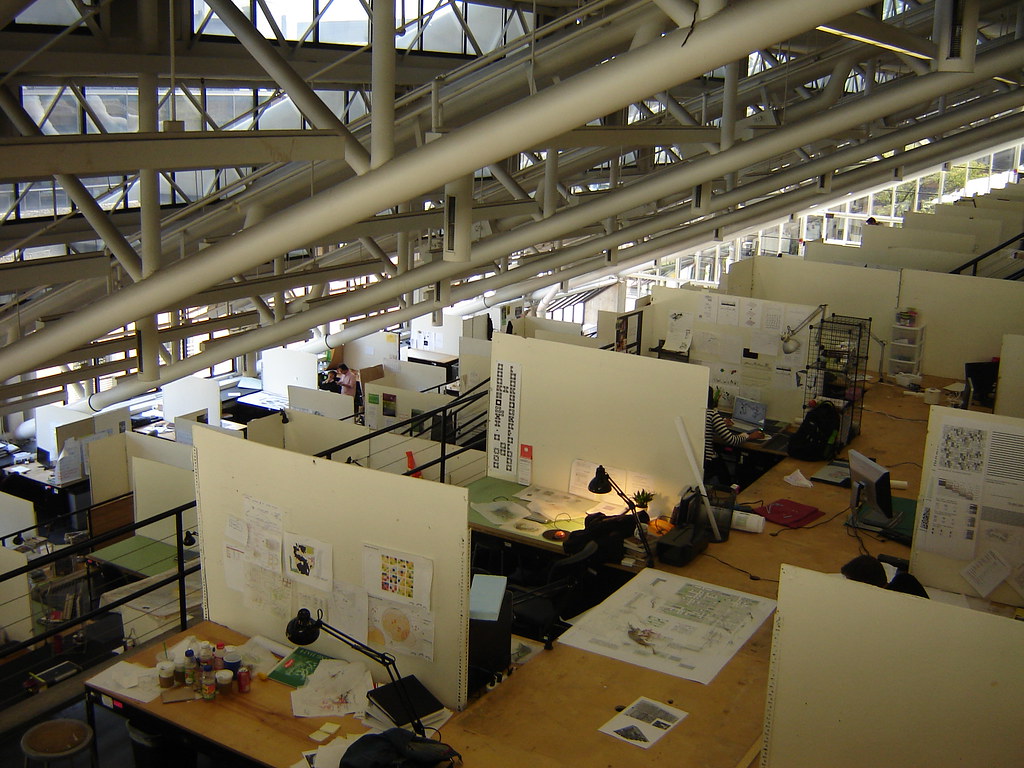
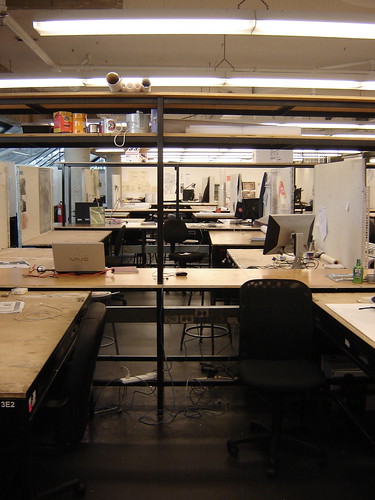
The back side of the building is called the trays. This is where we have our studio space (and therefore spend most of our time.
GSD

GSD

We're seated along with everyone else in our studio, which in our case is all of the first year planners:
GSD

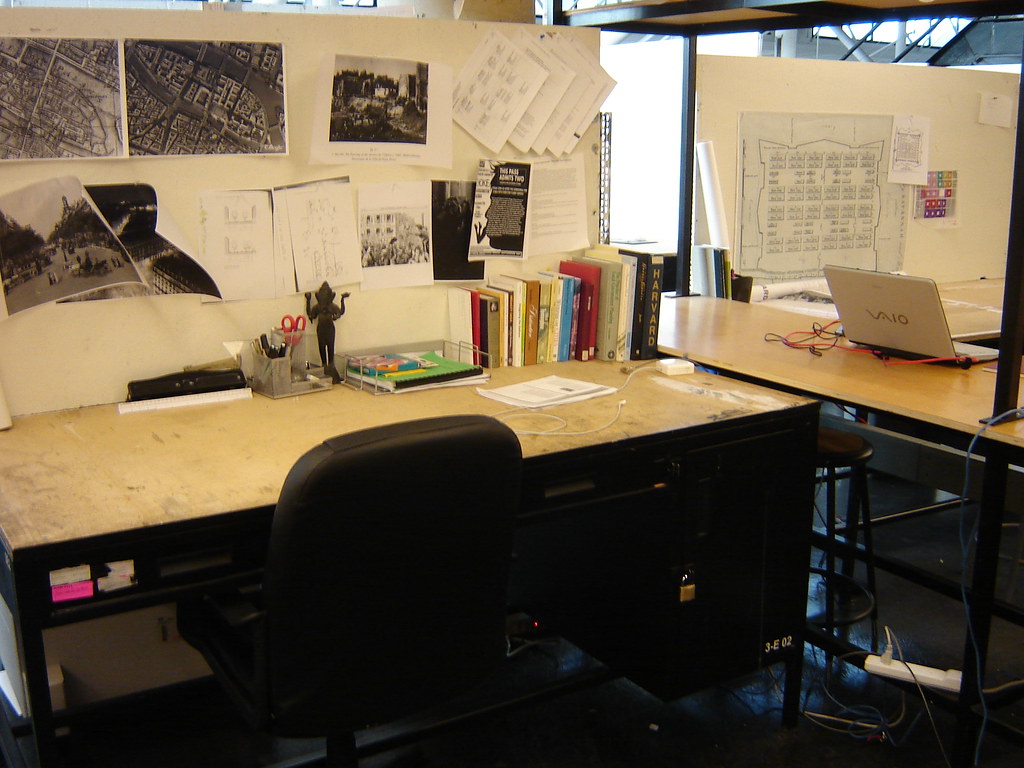
And my desk:
GSD

Read more...

4.9.08

With two more days of work this summer and orientation beginning at the GSD on Monday, I think it’s pretty fair to say that I’ve completely failed in my goal of resurrecting my blog this summer. My new thought is that I’m going to try to update a little more often, but in a little more organic (meaning less polished) format focusing on two things: a) life at the GSD b) some of the various topics that have been swirling in my head.

Here goes.

I’ve been thinking through some new research in the last couple of weeks. A flight attendant at work asked me if it was “ok to walk in Boston” and it made me think about the various responses to that question. The easy answer (and the one she was probably looking for) has to do with safety. The less obvious one is about community’s reactions to outsiders in their neighborhoods. This all got me thinking about whether or not Jane Jacobs’ “Eyes on the Street” concept and Michel Foucault’s concept of the “Gaze” are different sides of the same concept. With an understanding of the increased surveillance and militarization of urban space and of the potential for social exclusion (I’m going to call it “othering,” to play with the Foucauldian terminology), should we (we being radical urban designers) rethink concepts of public/private space and, especially, should we be considering the provision of unsurveillable space (like the road underpass by my house where the Latino teenagers make out) a public good.

This all got me reading a lot of pretty interesting stuff, starting with Foucault (who’s about as much fun to read as… I just realized I have no way to end that sentence. Let’s just say it’s dense) and then getting into some pretty interesting writing on the topic of surveillance. The most interesting stuff so far has been in queer theory, where Michael Warner and George Chauncey especially have given me a lot of food for thought. I also just finished a book by an Israeli architect Eyal Weizman about the role of architecture in the occupation of Palestine. I was especially struck by his descriptions of how settlement architecture is purposely constructed to give settlers the ability to survey Palestinian space. And of course the other side of the coin, how “according to rules of engagement issued by the occupying forces at the end of 2003, soldiers may shoot to kill any Palestinian caught observing settlements with binoculars or in any other ‘suspicious manner’.” Somehow I don’t think that’s what Jane Jacobs had in mind…

As for the life at the GSD, the resources at Harvard overwhelm me. I just spent an hour goofing off on the websites of the Film Archive and the Map Library. Woo. I’ve got a fear that two years is too short to really take advantage of everything that there is on offer. That said, I’ve really enjoyed the time I’ve spent so far with the other incoming people in my program and I’m really looking forward to getting into the meat of what we’re doing there.

Read more...

27.7.08

The Late, Late Travel Blog

So… not as good about blogging on the trip as I was hoping to be. Usually when we travel, we stay in hostels, which usually have free wireless. On this trip, I had pricelined a few nicer hotels, which all, without exception, make you pay for internet. Lame. Anyway. Here’s the condensed version:

A. Amtrak was amazing. If the train doesn’t go there, neither do I from now on. Considering how crappy the whole experience of flying has become, I’m surprised that everyone hasn’t figured the train out yet. The seats on the long distance trains give you slightly more space then first class on a good Asian airline, meaning with the seat reclined I could put my feet straight out. However, except for sleeping, we usually spent most of our time in the observation car watching movies, playing cards and drinking wine. People watching was also pretty cool. An interesting combination of people take trains. There are the old train nerds, a healthy smattering of the Amish, a few crazies (and by the way, do the old men who like to tell people about Jesus really think that we don’t notice that the only people they want to tell about Jesus are girls in their late teens? Be creepier.) and a lot of people with small kids, which makes a lot of sense to me. Why stuff poor children in a car or a plane for that long when they can be up playing and making friends.

Part of what was so interesting for me, though, was getting a new perspective on the US. Whenever I’ve taken long road trips, I’ve always been struck by how homogenous the US can be. Every interstate and strip mall looks a lot alike. Well, it turns out that the interstate itself must be the homogenizing influence. On the train, you almost never see a car and most of the small towns that you pass through are way off the interstate. So you see a lot of cool stuff, from elk grazing in southeast Colorado to tiny farms in the Appalachians to a small town in southern Iowa where rowhouses seemed to be the dominant building type (rowhouses west of the Mississippi!)

So, yes. We shall be using Amtrak again. In fact we’re floating the idea of Christmas in New Orleans. Plus the Crescent (the train we’d take) passes through every state east of the Mississippi that I haven’t visited before.
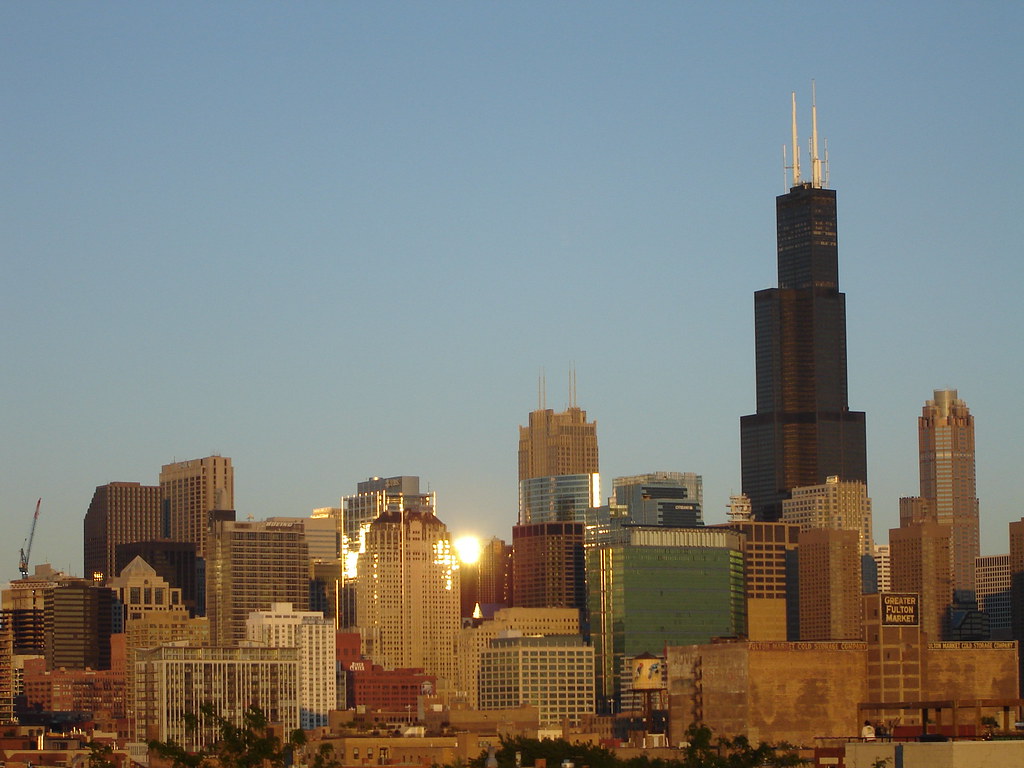
Chicago

B. It’s been almost 5 years since we had been to Chicago, so it was nice to see that we still love it. Chicago was one of the first places where I really began thinking about urban life as a kid and it’ll always have a place in my heart for that.

Ben and John showed us an awesome time, featuring rooftop 4th of July parties with 360 degree fireworks shows and some Southside brunch and White Sox fun.

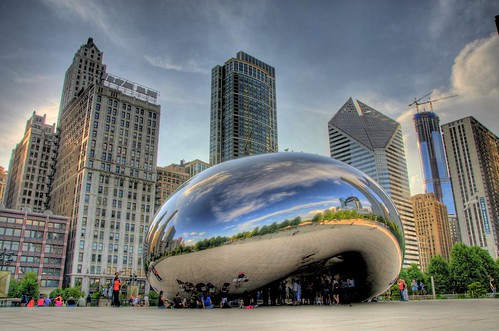
I also really enjoyed Millennium Park, which had opened since my last trip. I have to admit, I’m a little skeptical about corporate funding for public place and about over programitization of urban space, but I was pretty well convinced that that’s a really successful place. I could go on, but I think I may write more on the topic later, so I’ll save it.
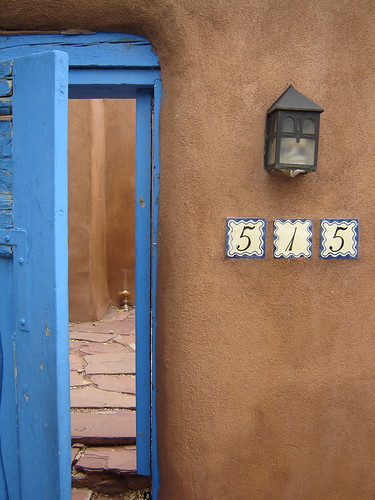
Santa Fe

C. New Mexico was a very interesting place, and very much not what I expected. Despite the fact that about half the population of the state is Latino/a (more in the cities) and the food and architecture was very Mexican influenced, you really didn’t get the feeling you were in a Latin American place. In fact, if anything Santa Fe was the largest colony of pretentious-middle-aged-art-collecting white women that I’ve ever seen. Albuquerque was a little better, but I still felt like I hear and speak Spanish more often in Boston then there. The main annoyance to me was how much Indian and Spanish history was white washed and the conquest treated like it was mere act of transfer. Kind of an “oh well, they just had to send their taxes to DC instead of the DF, no one really cared,” which I just don’t buy.

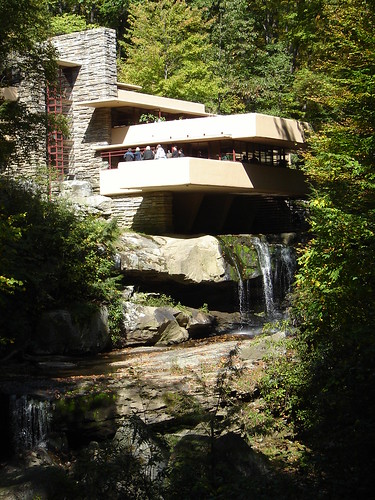
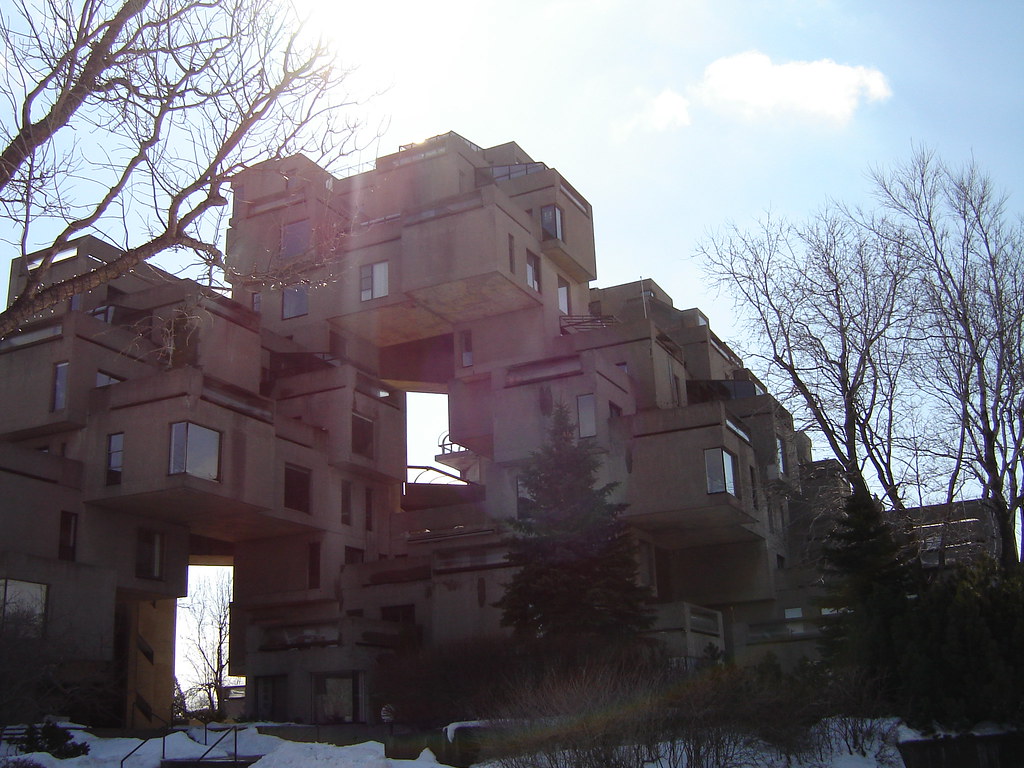
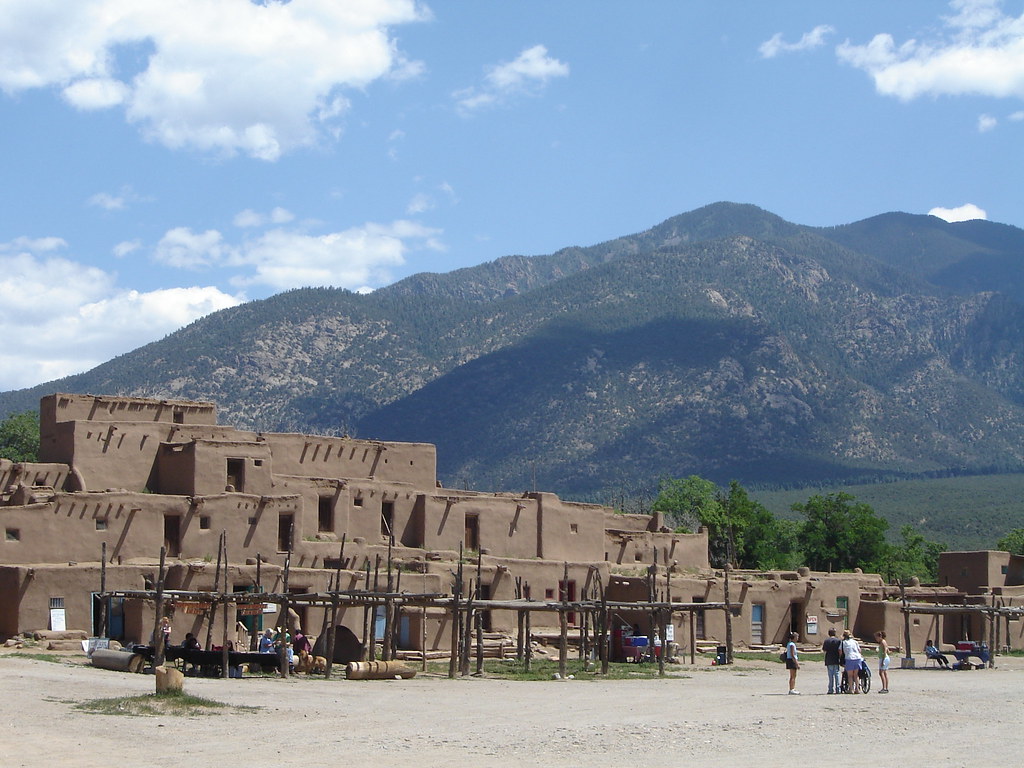
So yeah, Sante Fe was small, but we did see some cool art (both high and folk, whatever that means) and J’s friend Megan from Viet Nam, which was great. Los Alamos was the creepiest place ever. ABQ was pretty nice for as small a city as it was, but I think we managed so see pretty much everything of interest in about a day and a half. The Albuquerque Isotopes have one of the nicest minor league stadiums that I’ve ever been too, and we had a great baseball experience, although there are no buses running on Sunday nights and finding cabs wasn’t working out, so we ended up walking about 3 miles in the middle of the night to get home. Visiting Taos Pueblo was definitely one of the highlights of the trip. I’ve wanted to go there for a long time. I was very struck by how much the Pueblo Indians have influenced American architecture. Here’s a few pictures to prove it:

Taos Pueblo:
DSC05420

Fallingwater by Frank Lloyd Wright
Fallingwater

Habitat ’67 by Moshie Safdie
Montréal, Québec
I could go on...

So that was our trip in short form. I put some more pictures on Facebook. (I didn’t put up pictures of Taos because I only got a permit for personal use. Ask me if you’d like to see them).

Read more...

1.7.08

Only 36 hours left until we board Amtrak for our cross-country vacation sojourn, first via the Capital Limited to Chicago for the weekend and then the Southwest Chief to Santa Fe. Although we do get away to the other big cities of the Northeast like New York and Montréal pretty often, we usually only go for a short weekend. This is the first long trip we've taken in several years. I am, accordingly, pretty excited.


Cloud Gate III, originally uploaded by Craig S.


Before we even decided where we were going, we decided to make the trip by train. We are both rail fans, and the idea of making a trip across country seemed like both an interesting experience as well as more in-line with some of our core values relating to transportation. We wanted to see what travel is like in a much slower, but much more sustainable trip. Chicago was a natural jumping off point, as most of the countries rail lines pass through, and both of us like the city and wanted to spend some time there anyways.


My interest in New Mexico comes largely through my interest in general in Stateless Nations. Although, taken as a whole, the settling of the United States was, of course, a colonial act, there are only really a few places in the country where the populations of people living there were great enough for them to remain a force in intervening years; Hawai'i, Alaska and Nuevo México being the most apparent three (and not accidentally, the last three states admitted to the US). Even today, the state is roughly 45% Spanish-speaking, 45% Anglo and 10% Indian. I find this intersection of varying populations extremely interesting, especially as, like Québec, the state can be said to function both as a sort of internal colony, but also enjoying all of the powers and freedoms that any other state would have. Of course, my main interest is to see how this is inscribed in physical space.

I hope to blog relatively frequently and (though to be honest I haven't been feeling the photobug lately) to have pictures uploaded as we go.

Now let's just hope that the rain in the midwest stays down long enough for the train to get through Iowa and Missouri.

Read more...

25.6.08

I've been wrestling for awhile about what to do with this blog now that I'm down to posting about six times per year (I blame Facebook). I finally decided that I'm going to transition this into a sort of online resume-slash-portfolio-slash-manifesto. Step one has already been completed, which was changing the url to www.zakcqlockrem.com. Step two will be a massive redesign, which is in process now. I hope to be done before school starts in the fall.

I do intend to keep blogging (especially since I've got a cross-country train trip coming up next week), but in the future that will only be one part of the available resources here.

So, yeah. Check back every now and then. It'll get better.

In the meantime, here's a good event coming up next week:


"Contested Streets" film screening
Tuesday July 1, 2008 7:00pm
@ LivableStreets office space, 100 Sidney Street, Central Square, Cambridge


"CONTESTED STREETS explores the history and culture of New York City streets from pre-automobile times to the present. This examination allows for an understanding of how the city - though the most well served by mass transit in the United States - has slowly relinquished what was a rich, multi-dimensional conception of the street as public space to a mindset that prioritizes the rapid movement of cars and trucks over all other functions.

Central to the story is a comparison of New York to what is experienced in London, Paris and Copenhagen. Interviews and footage shot in these cities showcase how limiting automobile use in recent years has improved air quality, minimized noise pollution and enriched commercial, recreational and community interaction. London's congestion pricing scheme, Paris' BRT (bus rapid transit) and Copenhagen's bicycle and pedestrian infrastructure are all examined in depth. New York City, though to many the most vibrant and dynamic city on Earth, still has lessons to learn from Old Europe."

Read more...

5.5.08

Jackson Square 1
Jackson Square 1
Jackson Square 1

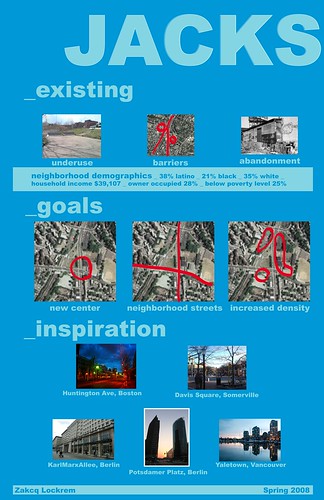
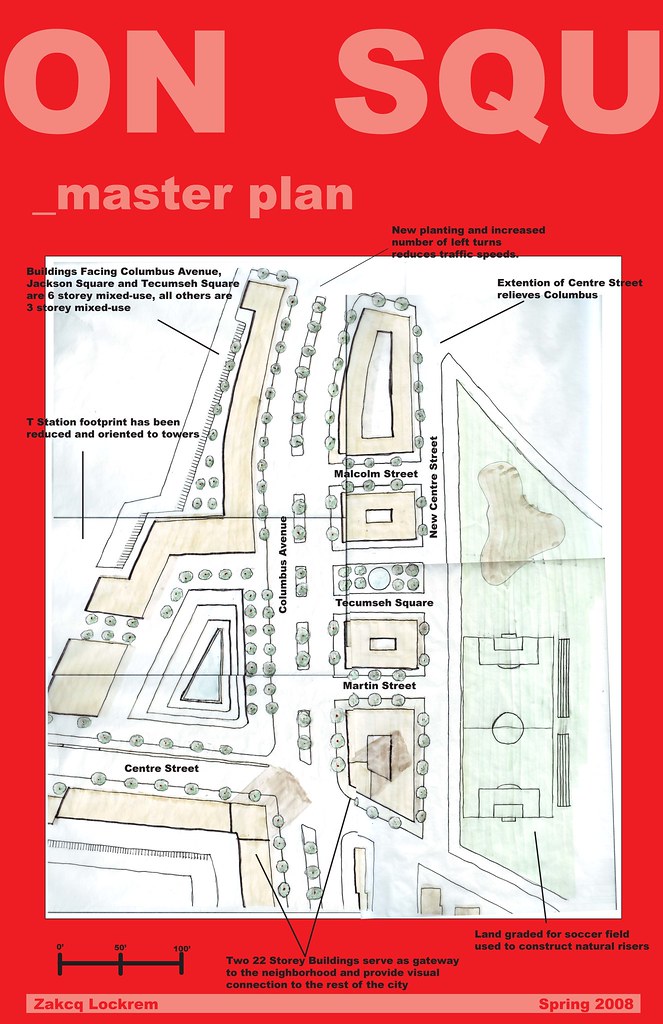
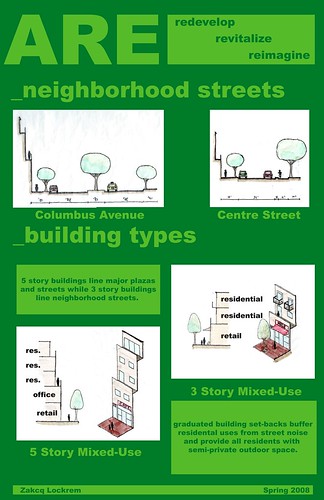
I just finished up these three boards for my presentation for the Jackson Square Master Plan that my class has been working on this week. The student presentations are tomorrow (I'll probably upload some pictures). I did my own plan just for fun. It's a little basic (I didn't do a lot of the research that a full plan would have needed) but I think it turned out pretty nice.

Read more...

4.5.08

I just added a link to my friends Michelle and Luke's travel blog (Hillestad Nomads). Check out their amazing stories and beautiful photography as they experience Thailand and Norway this year.

Read more...

  © Blogger templates The Professional Template by Ourblogtemplates.com 2008

Back to TOP